





The video slot Alles Spitze transforms every spin into a silent argument https://allesspitze.eu/. Do you follow your gut, or stick to the data? This isn’t just about winning or defeat. It’s a direct clash between two ways of thinking, played out across its vivid, loud reels. The game’s layout and features make it a perfect setting to watch how intuition and reason influence every move a gambler takes, from the amount of their wager to the moment they leave.
Mental Triggers In the Slot Design
Alles Spitze’s design masterfully drives this psychological battle. The developers employ techniques that address both intuitive and logical thinking. Celebratory sounds, animated sequences, and visual cues for near-wins target the intuitive side, building a sense of agency and anticipation that logic can’t justify.
- Auditory and Visual Feedback: Wins feature distinct sounds and animations. This positive reinforcement functions on an intuitive level, even when the win is tiny. Losses, on the other hand, often get a neutral or minimal response. This lessens the sting and keeps players in their seats.
- False Sense of Control: Features like manual “stop” buttons or interactive bonus rounds feed the logical desire for agency. Pressing the stop button has no effect on the outcome, but the simple act of doing it meets a deep need to participate, to be more than just a bystander.
- Unpredictable Reward Patterns: The unpredictable timing of bonuses leverages a core psychological principle. It keeps both intuition and logic perpetually occupied. The brain’s reward centres fire hardest when a reward is anticipated, not when it’s a sure thing. This schedule is what makes repetitive play so addictive.
- Losses Masquerading as Wins: This is a major trigger. It takes place when a spin pays back less than your original bet, but the game still triggers winning sounds and animations. The intuitive brain interprets a win, overriding the logical fact that you actually ended up with less. It’s a powerful trick that encourages you to keep playing.
None of this is accidental. These elements are crafted to sustain engagement by appealing to both sides of your brain. The debate between intuition and logic is baked into the game’s design. The energetic “party” theme lowers your inhibitions for intuitive play, while the clear displays of bet amounts and balance provide the logical mind the data it desires.
Merging Approaches for Well-Rounded Play
The most intelligent way to play Alles Spitze may not be to take a stance, but to combine them. A balanced player begins with a rational foundation: a clear budget, a grasp of the rules, and an acceptance of the RNG. Then, they let intuition steer the minor decisions within that protected space. This combined approach acknowledges the mathematics without neglecting the human desire for fun.
For example, a player may logically resolve to allocate a set amount on a session. Once that boundary is established, they could intuitively choose to raise their stake a little during a exhilarating bonus round, or switch to auto-spin for a while. This integration acknowledges that slots are entertainment. Pure logic alone can make them lifeless, but pure intuition can lead to impulsive play.
A effective blend includes a flexible playbook. The rational foundation includes a rigid deposit limit and a session timer. The intuitive layer then controls the tempo. Maybe you start with smaller bets to “get a feel” for the game, then adjust based on the flow, all while keeping within your monetary guardrails. You use logic to build the cage, but let intuition be the bird inside.
This well-rounded mindset also shifts the goal. The aim moves from winning money to purchasing entertainment. When you logically budget £20 for two hours of fun, any win is a bonus that prolongs the show. Intuition then makes that show more engaging by adding spontaneity. The player who merges both comprehends the real “win” is an pleasurable, regulated experience. The debate between intuition and logic isn’t a battle to be conquered. It’s part of the spectacle.
The tension between intuition and logic in Alles Spitze echoes a widespread struggle in how we make decisions. It demonstrates that gaming is far from a idle activity. It’s a vibrant cognitive landscape. By perceiving the value in both instinct and analysis, players can develop a more conscious and pleasurable relationship with the game. You can appreciate it for what it is: a mathematical puzzle wrapped inside a captivating story.
The Strategic Planner’s Strategic Framework
The logical analyst treats Alles Spitze like a set of puzzles to solve. They begin with the established factors. Their priorities are money management, a strong grasp of the game mechanics, and the objective realities of odds. Every decision is calculated. They set loss limits, choose bet sizes as a proportion of their funds, and are aware of the exact requirements for triggering each feature.
This framework is founded on dispassionate assessment. They acknowledge the RNG’s unpredictability, but they leverage every piece of available information to take informed decisions. Their aim is to extend their playing time, control risk, and derive the most advantage from all promotions. The session is a deliberate exercise, not an passionate journey.
Readiness is paramount. Prior to playing, they’ll be aware of the game’s listed RTP (usually approximately 96%) and its risk rating. They realize that a high-variance machine like Alles Spitze means fewer wins, but the wins can be greater. This truth determines their complete money management plan. They’ll supply their gaming period with adequate to weather a losing period, often wagering in low, consistent amounts.
Their approach to bonuses is equally as methodical. They know the mean payout from the free spins round. If there’s a “Bonus Buy” choice, they’ll compare its price to that mean return. Is the upfront fee worth it, or does it merely deplete their bankroll? Every choice is a value assessment. They strip away the showy packaging to examine the statistical framework underneath, all to optimize their enjoyment per pound used.
The Basic Mechanics of Alles Spitze Slot
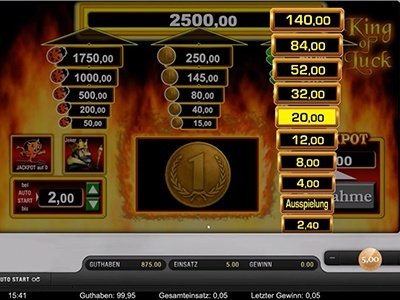
You need to know the rules before deciding. Alles Spitze is a video slot built for a good time, filled with interactive features. It operates on a familiar grid of reels and paylines, where you match matching symbols to score a win. You’ll encounter the usual cast of characters: standard symbols, wilds, and scatters.
Its real personality comes through in the bonus rounds, free spins, and special symbols that unlock bigger payouts. The game’s character is defined by numbers like its volatility and its Return to Player (RTP) percentage. These figures create a mathematical framework. For the logical player, this framework is the only map they need. It shows them the lay of the land before they place their first bet.
Take the bonus round in Alles Spitze. It’s hardly ever a simple, one-off event. More often, it’s a multi-stage affair that asks you to make choices. Each choice is a tiny drama. Do you go for the bigger multiplier, or opt for the safer, smaller win? The game’s volatility isn’t just a label; it’s expressed in the symbols you see. Low-paying symbols pop up often, keeping the screen busy. The high-value ones are more elusive, creating a tension that sparks both gut feelings and cold calculations.
Underneath all the flashing lights, a Random Number Generator (RNG) is operating. This is the unshakeable law of the land. It guarantees every spin is independent and random. The logical player takes this as truth. But the game’s presentation—the way the reels sometimes slow down for drama, the fireworks on a win—presents a different, more intuitive story. It transforms randomness seem like fate, and that’s where the debate actually starts.
Risk Assessment: Instinct Against Calculated Odds
This is where gut feeling and analysis split apart most dramatically. Gut-level risk evaluation is quick and driven by emotion. It’s rooted in what just happened. A large win can make risk seem insignificant. A loss can make danger seem everywhere. This is the home of the gambler’s fallacy, a classic intuitive error.
Rational risk evaluation leans on the unchangeable maths of the game. It encompasses grasping volatility and the house advantage. The reasoned player understands each round is separate. Historical data have no bearing. They measure risk based on their bankroll and the range of potential results, not on a passing emotion.
The instinctive hunch about risk often originates from thinking shortcuts, or heuristics. The “ease-of-recall bias” means you evaluate the likelihood of losing by how readily you can recall recent setbacks. After a few poor rounds, the danger seems enormous. After a victory, it feels tiny. Rational evaluation uses a pre-set plan to overcome this prejudice. By setting a loss limit in advance and sticking to it no matter what, the reasoned player creates a barrier against instinctive error.
They also view the buy-in bonus in a distinct manner. Gut feeling might see the upfront cost as a guaranteed path to entertainment, a way to bypass the “risk” of missing the bonus trigger. Logic views that same price as an further house advantage, a extra fee to ensure certainty that, over time, will diminish your overall payout. One interpretation sees it as lowering danger, the other as reducing value. The same mechanic, filtered through two totally separate minds.
The point where Intuition and Logic Meet in Gameplay
The most gripping moments in Alles Spitze happen precisely where these two mindsets converge. Think about the choice to purchase a bonus feature versus awaiting it to trigger naturally. Logic suggests the cost versus the average return. Intuition suggests that buying the bonus might snap a cold streak. Or after a string of losses, logic advises adhere to the plan. Intuition insists to change the bet level, now.
Then there’s the decision to quit. The logical player has established limits. But intuition might plead for “just five more spins” when luck feels close, or scream to quit early during a downturn that feels endless. These internal arguments are the real game within the game, a constant push-and-pull between heart and mind.
The collision is fiercest during a winning streak. Logic understands about regression to the mean. It cautions that a streak is just a random cluster in a long sequence, and recommends keeping the original bet size. Intuition reads the streak as a shift in the universe. The machine is “hot,” and it’s time to bet bigger to ride the wave. This fundamental disagreement on what randomness actually resembles creates a powerful cognitive dissonance every player must face.
The clash doesn’t stop in the bonus rounds. Alles Spitze often contains pick-and-click features where you select from several options. Logic states the outcome is predetermined; there is no right choice. Yet intuition will have you searching for visual clues, pausing over a certain box, or following a “lucky feeling” about a particular symbol. It’s a way of investing a random event with personal meaning and a sense of control.
Exploring the Gut-Feel Player’s Style
The intuitive player listens to a distinct kind of signal. They aren’t crunching numbers. They’re sensing the rhythm of the game. This player might raise their bet because the machine feels “hot,” or because they have a hunch the bonus is about to land. They act on impulse, altering their strategy on a whim rather than sticking to a plan.
For them, the game is about fun and emotion. They are immersed in the sensory feedback: the celebratory jingle, the heart-skip of a near-miss, the jolt of a surprise win. The session is a story they’re playing out, where enjoyment is the main point. The statistics are a boring footnote.
They construct this story on a personal kind of pattern recognition. Maybe they observed the last two bonuses came after a specific sequence of blank spins and a particular sound. They’ll start waiting for that pattern again, even though the RNG doesn’t work that way. This taps into a deep human need to find cause and effect. It converts a string of random events into a personal tale of luck and timing.
The game’s theme captivates them, too. Alles Spitze has a vibrant German party vibe, all bright colours and upbeat music. It’s made to lift your mood and encourage a celebratory, spontaneous style. The intuitive player goes with this wave. They let the game’s energy guide their betting tempo and their decision to carry on or stop. “It just feels right tonight,” is a totally acceptable reason for anything they do.